

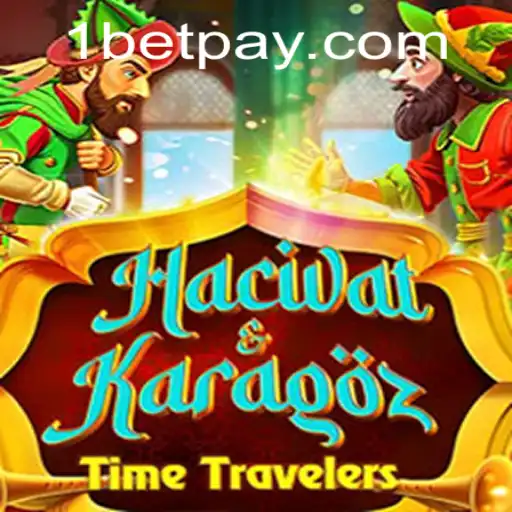

Dive into the fascinating history and gameplay of Hacivat and Karagoz, a traditional Turkish shadow play, and explore its modern-day relevance.
The Timeless Charm of Hacivat and Karagoz
Hacivat and Karagoz is a traditional Ottoman-era shadow play that continues to hold a significant place in Turkish culture. Rooted deep in the history of the Turkish people, this entertaining play has endured through centuries, adapting to the cultural changes while keeping its core essence intact. With the modernization of performance arts, Hacivat and Karagoz find renewed interest today, not just in Turkey but across the globe.
Origins and Historical Significance
The origins of Hacivat and Karagoz can be traced back to the early 16th century, during the Ottoman Empire's expansive era. It is widely believed that the characters of Hacivat (pronounced Hadjivat) and Karagoz were inspired by real individuals who lived in Bursa, Turkey. The play gained official recognition and was performed in the Ottoman courts, becoming a symbol of artistic expression that entertained both the elite and common masses. Over the years, the simple yet profound dialogues between the characters have become part of folklore and are revered for their satirical social commentaries.
Characters and Themes
The core protagonists of the play, Hacivat and Karagoz, embody contrasting personality traits that drive the narratives. Hacivat is portrayed as educated and articulate, often adopting a cultured demeanor, while Karagoz is depicted as straightforward and sometimes crude. This dynamic interplay of wit and humor between the two characters allows the play to address various social and political issues in a light-hearted manner, thus making it a powerful tool for public discourse.
Alongside Hacivat and Karagoz, several minor characters appear in the play, each representing different aspects of society such as artisans, the ruling elite, and traders. The themes explored through these characters are universal, touching upon human virtues and vices, making the shadow play relatable across different cultures and generations.
The Art of Shadow Play
The art of shadow play as demonstrated in Hacivat and Karagoz involves skillful manipulation of two-dimensional puppets made traditionally from camel or cowhide, known as "tasvir." These figures are intricately carved and painted to depict the distinct characteristics of each character. The performance takes place on a light-illuminated screen, where the puppeteer, known as the "Hayali," brings the characters to life using skillful hand movements and voice modulation.
The Hayali plays a crucial role in the performance, as they not only manipulate the puppets but also provide the voices for all characters, shifting between different tones and accents to suit each role. This multifaceted performance demands great dexterity and creativity, often making it a family art passed down through generations.
Modern Adaptations and Current Relevance
With the evolution of entertainment mediums, traditional art forms such as shadow play face the challenge of staying relevant. However, Hacivat and Karagoz's adaptability has allowed it to endure and even thrive in contemporary settings. Modern iterations incorporate multimedia enhancements, combining traditional puppetry with digital projections and sound effects to appeal to today's audiences.
In Turkey today, festivals and cultural events frequently showcase Hacivat and Karagoz, drawing large crowds eager to reconnect with their cultural roots. These performances are often accompanied by discussions on the cultural heritage and preservation of this cherished art form. Educational institutions have also embraced shadow play as a tool for teaching language, history, and art, making it an integral part of curricula.
Globally, Hacivat and Karagoz have captured the interest of international audiences through cultural exchange programs and festivals. Its universal themes of humor, morality, and commentary on human nature resonate beyond cultural boundaries, allowing people from different backgrounds to appreciate its artistic brilliance and cultural significance.
Hacivat and Karagoz in the Digital Age
The digital age has paved the way for Hacivat and Karagoz to reach new audiences through virtual platforms. Online streaming of performances and social media engagement have introduced this traditional art to a younger, tech-savvy generation. Animated adaptations and interactive video games drawing inspiration from the characters and themes of Hacivat and Karagoz are burgeoning, ensuring that the art form remains an enduring cultural staple in the digital world.
Despite the advances in technology, the essence of Hacivat and Karagoz remains unchanged. It continues to serve as a mirror to society, reflecting its complexities through the lens of humor and tradition—a testament to its timeless appeal and a celebration of cultural continuity.